The shortest line between two cities is rarely the best way to travel between them. We spend a surprising amount of our time talking clients out of the obvious routing and into a longer one — and almost none of it is about saving money.
A map measures distance. It does not measure the aircraft, the cabin, the connection or the hour you land — and those, not the mileage, are what decide whether a journey is a good one. The great-circle line is a geometry problem. The trip is a comfort problem, and they have different answers more often than you would think.
Flying away from where you're going
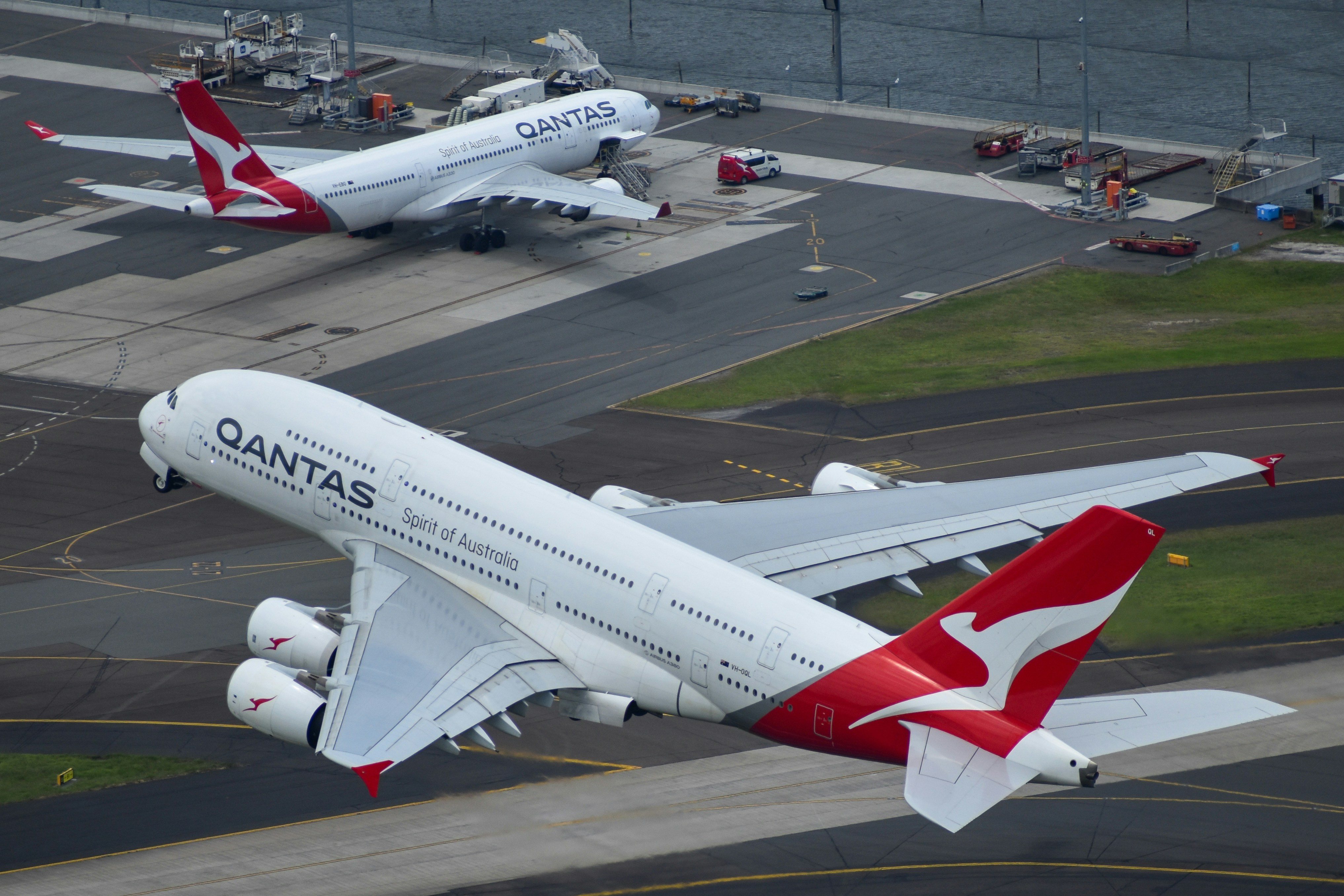
The clearest case is the routing that begins in the wrong direction. A mediocre direct flight on an ageing aircraft is, for a long sector, often worse than a short hop to a hub and a superb onward leg — even when the hub sends you the "wrong" way first. We will happily route a client through Dubai or Doha to put them on an A380 or a Qsuite for the long part of the trip, rather than leave them on a narrower jet that happens to point straight at the destination. The detour buys the better aeroplane, and the better aeroplane is the whole journey.
When the longer aircraft wins
The metal matters more than the miles. Two sectors on modern widebodies — proper flat beds, quiet cabins, a shower at the stop — leave most people in better shape than a single sector on an older, denser aircraft, however direct. This is why we ask what you'll be flying on before we care how far it is. A Singapore A350 with a stop can beat a tired widebody without one, and the client who arrives rested rarely asks afterwards which was shorter.
We are not routing for distance, and not really for time. We are routing for the version of the trip you will be glad you took.
The open-jaw, and the long stop done on purpose
Two more tools belong here. The open-jaw — flying into one city and home from another — quietly removes a backtrack that the obvious round-trip would have forced, and on a multi-city trip it is almost always the cleverer shape. And the deliberate long stop: a night in Singapore or Doha on the way to Australia turns dead transit time into part of the holiday, rather than something to be endured. Done on purpose, a stop is not a cost. It is an extra place.
What we won't do
The long way round is a tool, not a dogma. We won't route you the scenic way to shave a fare if it costs you a night's sleep before a meeting that can't move, and we won't make a journey cleverer than it needs to be for the pleasure of being clever. When the direct flight is the right answer — and across the Atlantic it almost always is — we book it without ceremony. The skill is knowing which trip is in front of you.
So the long way round is right when it buys a better aircraft, a civilised arrival, or a place you would otherwise have only flown over — and wrong the moment it is merely the long way round. Telling those two apart, on your dates and your cabin, is most of what we are for.