
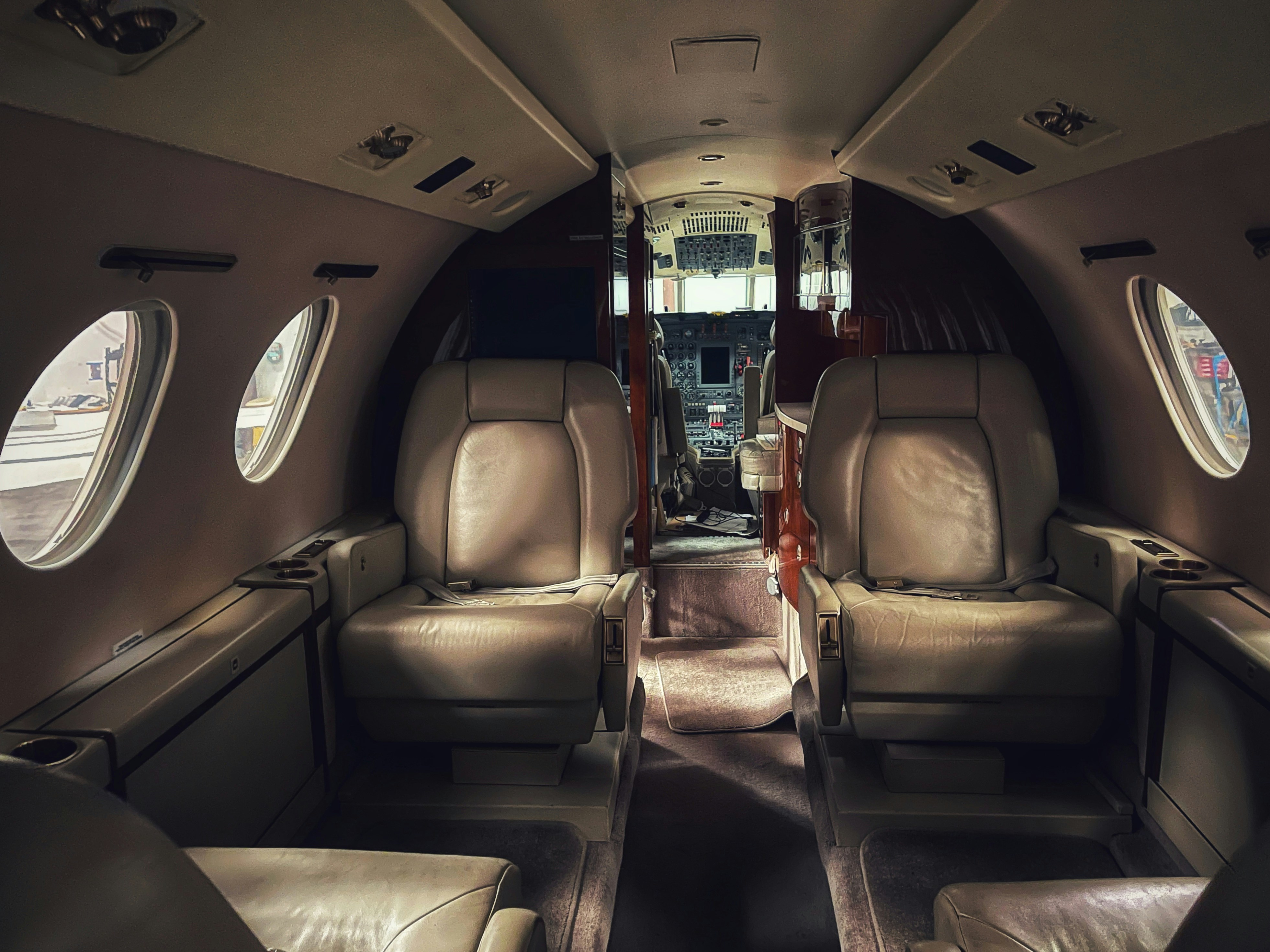
Every private jet that flies somewhere has to get back, or get to its next job — and a surprising amount of the time it does so empty. The seat on that repositioning leg is the closest thing private aviation has to a bargain. It is also the most misunderstood.
An empty leg is simple to describe. A charter ends in one city; the aircraft and crew must reposition for the next booking, or return to base. That leg has to be flown regardless, so rather than fly it empty, an operator will sell it well below the usual charter price — recovering something against a cost they were going to bear anyway.
The economics, honestly
The saving is real, and often dramatic: a fraction of what the same aircraft would cost on a standard charter. That is not a trick or a loss-leader. The marginal cost to the operator of carrying you on a leg they were already flying is low, and the alternative is an empty cabin. It is one of the few places in this business where a large discount reflects genuine economics rather than clever pricing. It is also exactly why we cannot promise you one: an empty leg exists only where, and when, somebody else's trip has created it.
An empty leg is not a cheaper version of the flight you wanted. It is a discount on a flight that already exists, going where it was already going.
The catch, which is the whole point
You take the routing, the date, the time and the aircraft as they come. The leg flies from A to B on Thursday afternoon whether or not that suits you; it can be moved or cancelled outright if the original charter that created it changes; and the aircraft might be larger or smaller than you would have chosen. Empty legs reward flexibility and punish a fixed diary. For the client who can shift a day in either direction, they are a quiet way into private aviation at a fraction of the cost. For the client who must be in Geneva at nine on Tuesday, they are usually the wrong tool entirely.
When we use them, and when we don't
We keep an eye out for empty legs on the corridors our clients actually fly, and when one lines up with a trip that can flex, we'll put it forward without hesitation — the value is real and the saving is large. When the trip is fixed, we charter properly, because a missed slot or a cancelled leg costs far more than it ever saved. The skill is not finding the cheap flight; it is knowing which situation you're in, and being honest with you about it. That is the same instinct that governs how we handle the rest of a trip when something moves at the last minute.
So an empty leg is a genuine bargain for the flexible and a false economy for the fixed, and telling the two apart — for your dates, your route, and how much your diary can bend — is most of the value of asking someone rather than chasing the listings yourself.